Dental Deep Cleaning: What Happens and How It Differs From a Routine Clean
- Published
- 4 minutes
- 6 steps
In short A deep clean reaches below the gumline to treat gum disease. Here is how it compares with a routine polish, what the appointment involves and how to care for your gums afterwards.
A dental deep cleaning, known in clinics as scaling and root planing, removes hardened plaque and bacteria from below the gumline and smooths the root surfaces so the gums can tighten around the teeth again. It is not simply a stronger version of the usual polish. It is a treatment for gum disease, and it is usually suggested when the spaces between gums and teeth have become deeper than they should be.
Routine cleaning versus deep cleaning
Both appointments involve cleaning teeth at the dentist, which is why the terms get mixed up. The difference lies in where the work happens and why it is needed.
| Routine clean | Deep clean | |
|---|---|---|
| Purpose | Prevention and upkeep for healthy gums | Treating inflammation and infection that has spread below the gumline |
| Area treated | Tooth surfaces and the edge of the gums | Down into the pockets around each root |
| Numbing | Usually not needed | Often done with local anaesthetic |
| Visits | Normally a single appointment | Sometimes split into sections over more than one visit |
| Aftercare | Little or none | A few days of tenderness and extra care at home are common |
Why a dentist might recommend it
Plaque that is not removed hardens into tartar, also called calculus. Above the gumline it is visible and relatively easy to reach; below it, tartar shelters bacteria that keep the gums inflamed. Over time the gum can pull away from the tooth and form a pocket, which collects even more debris. Signs that this may be happening include:
- Gums that bleed when you brush or floss.
- Red, puffy or tender gums.
- Bad breath or an unpleasant taste that keeps coming back.
- Gum edges creeping away from the teeth, so they look longer.
- Teeth that feel loose, or a bite that feels different.
None of these signs is a diagnosis on its own, and early gum problems are often painless, which is exactly why regular check-ups matter.
What happens during the appointment
- Measuring the pockets. The dentist or hygienist gently runs a thin probe around each tooth to measure the space between gum and tooth. X-rays may be taken to look at the supporting bone.
- Numbing the area. Local anaesthetic is commonly used so the work below the gumline is comfortable. Tell the team if you are anxious or have had trouble getting numb before.
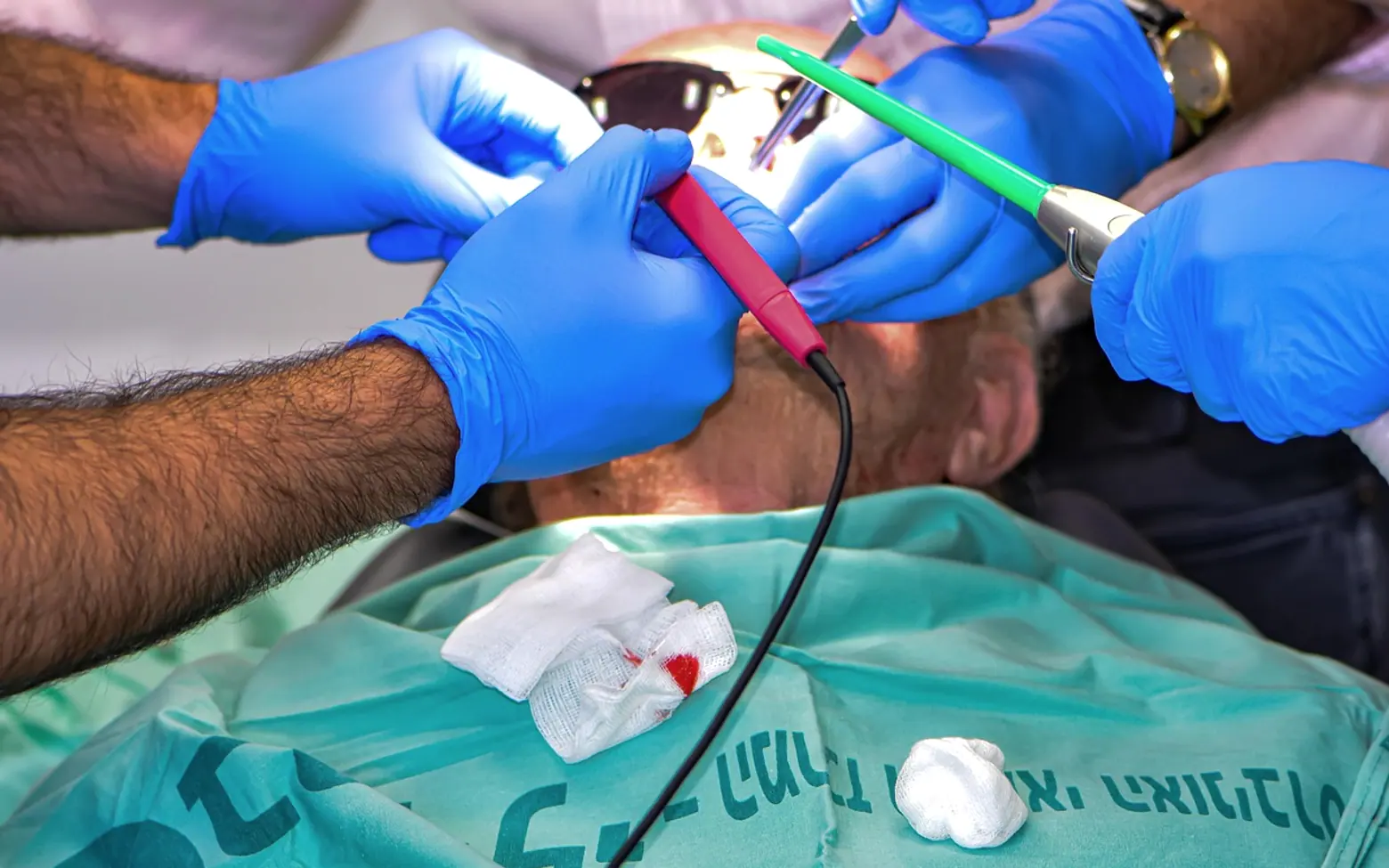
- Scaling. Hand instruments, an ultrasonic scaler that vibrates and sprays water, or a mix of both are used to lift tartar and plaque from the tooth and root surfaces.
- Root planing. The roots are smoothed so bacteria have fewer rough patches to cling to and the gum has a better chance to reattach.
- Extra measures if needed. Some clinicians place an antibacterial product in deep pockets or suggest a rinse. Your dentist will explain whether anything like this applies to you.
Because the work is detailed, a mouth may be treated in halves or quarters on separate days.
How it feels afterwards
Once the numbness wears off, the gums may feel sore and the teeth more sensitive to cold for a while. A little bleeding when brushing is common at first. Soft, lukewarm foods, gentle brushing with a soft brush and any rinse your dentist recommends usually make the first days easier. Pain relief should follow your dentist's or pharmacist's advice. If swelling, pain or bleeding gets worse rather than better, contact the practice.
Keeping the results
A deep clean gives the gums a fresh start, but daily habits decide what happens next. Most people are asked back for a review to see how the pockets have responded, and some are placed on more frequent maintenance cleans.
- Brush twice a day, angling the bristles towards the gumline.
- Clean between the teeth every day with floss or interdental brushes in the sizes your hygienist suggests.
- If you smoke, consider support to stop, because smoking is closely linked with gum disease and slower healing.
- Keep review and maintenance appointments, even when the gums feel fine.
Questions people often ask
Is a deep cleaning painful?
With local anaesthetic, most of the procedure should feel like pressure and vibration rather than pain. Tenderness afterwards is common but usually short-lived. If dental visits are hard for you, our piece on small steps toward a calmer appointment may help you prepare.
Can I ask for a regular cleaning instead?
You can always ask questions and request a second opinion. It helps to understand, though, that a routine clean does not reach the deeper pockets, so the underlying problem may continue. Ask what the measurements show and what is likely to happen with and without treatment.
Does gum health matter if I am thinking about implants?
Yes. Healthy gums and bone are part of the foundation for any tooth replacement, which is one reason dentists often treat gum disease before planning further work. Our comparison of implants, bridges and dentures over the long term explains why the surrounding tissue matters so much.
Is aftercare similar to having a tooth out?
There is some overlap, such as soft foods and gentle rinsing, but an extraction leaves an open socket that needs extra protection. Our guide to wisdom tooth removal aftercare covers that situation in detail.
House standards
Rules every entry has to pass
These checks sit on the editing desk and apply to new entries and revisions alike.
Background comes first from health services and professional bodies writing for patients.
Sellers of a product are never used as an independent voice about that product.
No dose, strength or personal target appears anywhere in the library.
Every entry shows clearly when to contact a dentist, pharmacist, midwife or doctor.
Smoking entries speak only to adults who already smoke and never call vaping harmless.
General reading only. For anything about your own health, a dentist, pharmacist, midwife or doctor is the right next step.