How to Wean Off Vaping: A Step-Down Plan for Nicotine and Habit
- Published
- 5 minutes
- 6 steps
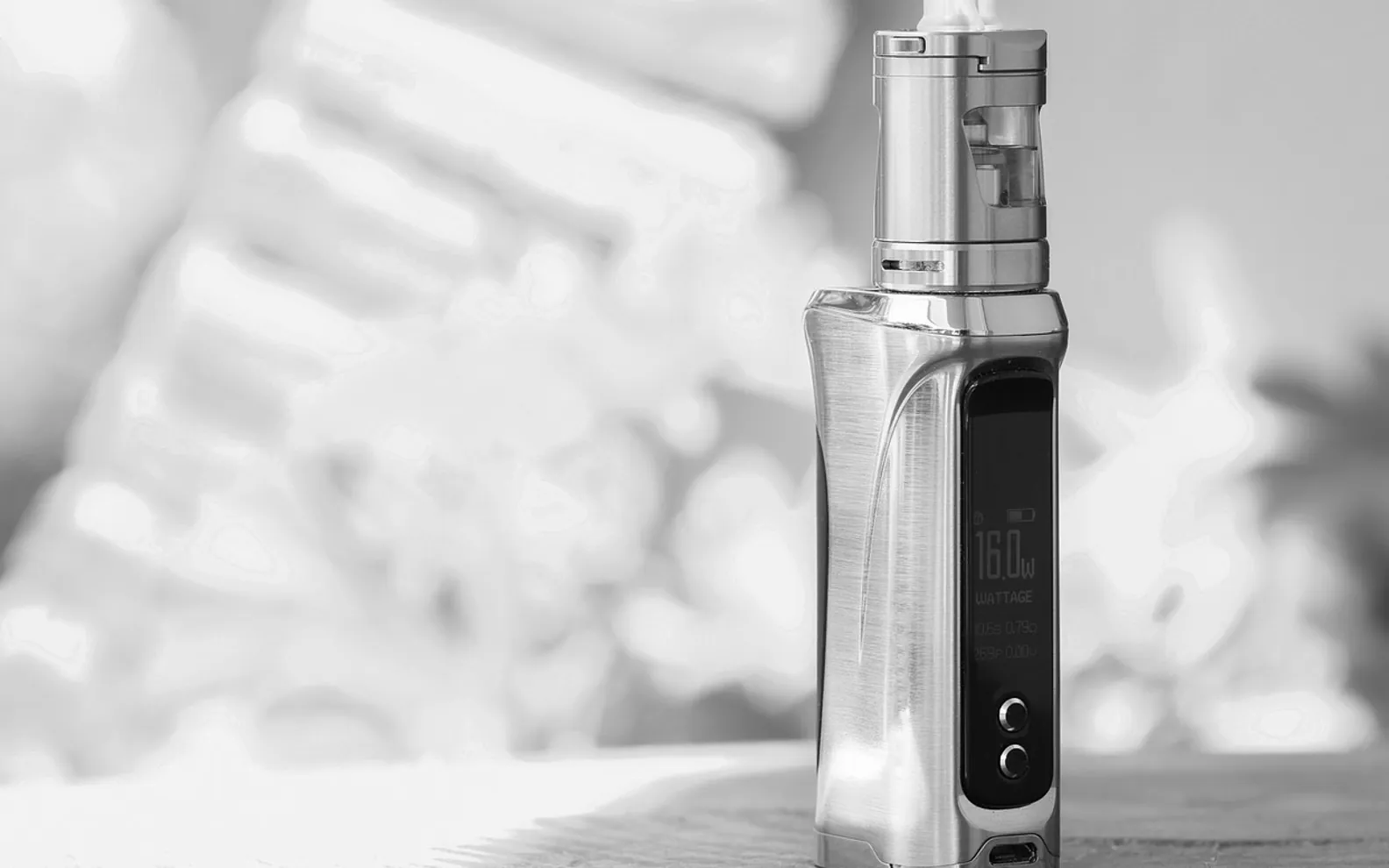
In short Weaning off a vape works best as two slow projects at once: lowering the nicotine your body expects and unpicking the moments your hands reach for the device.
The vape is on the desk, in the coat pocket, on the bedside table. It comes out during a phone call, on the walk to the car, while the kettle boils. Nobody decided to use it that often; it simply fills every gap. That is why many people who want to stop find a sudden halt hard to picture, and why a gradual plan can feel more realistic.
Weaning off means reducing over several weeks rather than stopping overnight. It suits people who have tried a cold stop before and slipped back, and people who still remember why they switched from cigarettes and do not want to end up smoking again. It is not the only route, and a stop-smoking adviser can help you decide whether tapering or a fixed quit date fits you better.
Start with an honest picture
Most people underestimate how often they vape, because the device never runs out in the obvious way a pack of cigarettes does. Before changing anything, spend a week simply noticing. Keep a tally on your phone or a scrap of paper and write down:
- how many pods, refills or bottles of liquid you get through in the week;
- the nicotine strength printed on them;
- the times of day you reach for the device most;
- what was happening just before: a meal, a drive, a message, boredom, stress.
Refill systems make this easier, because each empty pod is a clear marker; a steady weekly count of refills, as described in our notes on a tidy routine for refill pods, gives you a baseline to measure the plan against. Disposables are harder to track, so writing the date on each new one helps.
Two dials to turn down
A vaping habit has two parts that can be reduced separately. One is chemical: the amount of nicotine your body has come to expect. The other is behavioural: the number of moments in the day when your hands and mouth go to the device. Turning both dials at the same time tends to be too much. Many people find it easier to work on one, settle, then work on the other.
| Dial | What lowering it looks like | Watch out for |
|---|---|---|
| Nicotine strength | Moving to the next lower strength of the same liquid or pod, then staying there until it feels normal | Puffing harder or longer to make up the difference |
| Number of sessions | Removing one routine vaping moment at a time, starting with the easiest | Replacing the dropped moment with longer sessions elsewhere |
| Access | Keeping the device in a bag or drawer rather than in your hand or pocket | Buying a spare "just in case" |
A step-down plan you can adjust
There is no fixed timetable that suits everyone. The outline below is a shape to fill in, not a prescription, and each stage can last as long as you need.
- Choose a start date and a rough finish. Pick a calm week to begin, not one with a deadline, a move or a holiday. A loose target for the final stop gives the plan a direction without turning it into a test.
- Lower the strength one step. Use the same flavour you already like, so that only one thing changes. Stay at each strength until cravings settle back to roughly where they were before.
- Drop the easiest session. Look at your tally and find a vaping moment that matters least, perhaps in the car or while watching television. Replace it with something for the hands, such as gum, a drink or a fidget object.
- Create vape-free zones. The bedroom, the car and the first half hour after waking are common choices. Zones are easier to keep than vague promises to "vape less".
- Repeat. Alternate between lowering strength and dropping sessions. Expect some stages to feel easy and others to drag.
- Set the last day. When you are on the lowest strength you can find, or vaping only a few times a day, pick the date you stop completely and tell someone you trust.
Handling the harder days
Each step down can bring a few days of irritability, restlessness or poor focus, and some people notice changes in sleep or appetite. Our overview of what vape withdrawal can feel like explains these in more detail. They usually ease as your body adjusts, which is one reason to stay at a level until it feels ordinary before moving on.
When an urge peaks, the same tactics that help smokers apply here: wait it out, change what you are doing, sip water, breathe slowly. The techniques in our piece on getting through nicotine cravings one urge at a time transfer directly to vaping.
Evenings with drinks are a common sticking point, because alcohol loosens plans and often comes with company who vape or smoke. Deciding beforehand what you will do, and keeping the device at home on those nights once you are near the end, removes the decision from the moment. There is more on this in our notes about handling the alcohol trigger.
If you used to smoke
For former smokers the main thing to protect is the distance from cigarettes. If cutting down on the vape brings back strong thoughts of smoking, slow the plan down rather than pushing through. Going back to tobacco is the outcome to avoid. Some people pause at a low, steady level for a while before taking the final steps, and that is a reasonable choice to discuss with an adviser.
Support worth asking for
A pharmacist, GP or local stop-smoking service can talk through licensed options such as nicotine patches, gum or lozenges, which some people use to cover the last stretch after the vape is gone. They can also suggest how to combine products safely. This matters most if you are pregnant, have a heart or lung condition, take regular medicines or have a mental health condition, as stopping nicotine can affect how some medicines work.
A slip during the plan is not the end of it. Note what triggered it, go back to the last step that felt manageable and carry on from there.
House standards
Rules every entry has to pass
These checks sit on the editing desk and apply to new entries and revisions alike.
Background comes first from health services and professional bodies writing for patients.
Sellers of a product are never used as an independent voice about that product.
No dose, strength or personal target appears anywhere in the library.
Every entry shows clearly when to contact a dentist, pharmacist, midwife or doctor.
Smoking entries speak only to adults who already smoke and never call vaping harmless.
General reading only. For anything about your own health, a dentist, pharmacist, midwife or doctor is the right next step.