Seoul Night Markets: A Visitor's Guide
- Published
- 5 minutes
- 6 steps
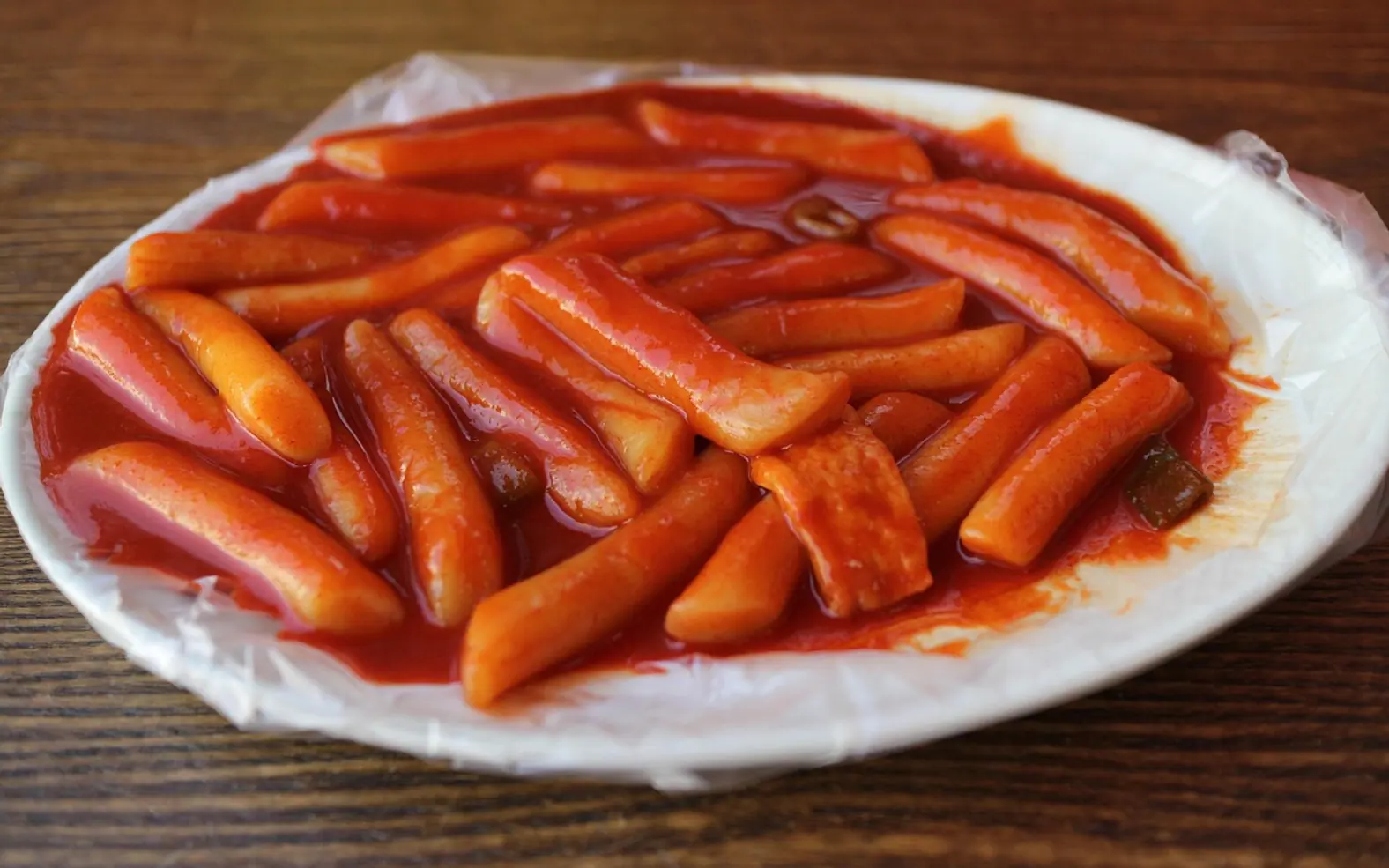
In short Gwangjang, Namdaemun and Dongdaemun come alive after dark. A calm guide to eating, sharing, paying and keeping your energy for the rest of the night.
Seoul's traditional markets are at their liveliest after dark, when food stalls fill the covered lanes of Gwangjang, Namdaemun and the streets around Dongdaemun. A visitor can expect counter seating beside the cooks, dishes made to be shared, a mix of fried snacks and simpler options such as rice rolls or noodle soup, and a pace that rewards wandering slowly rather than rushing. Going with an appetite, a little cash, a few hygiene habits and a loose plan for the rest of the evening is usually enough to enjoy it.
Three markets, three different moods
Each of the well-known central markets has its own character, so it helps to know roughly what you are walking into before you choose one for the evening.
| Market | What it feels like after dark | Good for |
|---|---|---|
| Gwangjang | Long rows of food stalls under a roof, with benches pressed close to the cooking | Trying several traditional dishes in one sitting |
| Namdaemun | A large general market where food alleys sit between clothing and household stalls | Combining a slow browse with a casual bite |
| Dongdaemun area | Shopping buildings, fashion stalls and street food spread across several blocks | A late walk with snacks along the way |
None of these is a single, tidy venue. Stalls open and close on their own rhythm, some lanes go quiet earlier than others, and the mix changes with the season. Treat the list above as a starting point rather than a timetable.
How eating at a market stall works
Most stalls are run by one or two people who cook, serve and take payment from the same small space. You sit where there is room, point at what you would like or use a picture menu if there is one, and the food arrives quickly. Seating is shared, and strangers often end up elbow to elbow on the same bench, which is part of the appeal.
Sharing plates
Korean market food is built for the table rather than the individual. Mung bean pancakes, mixed rice rolls, dumplings and plates of rice cakes in sauce tend to come in portions meant for two or more. For a small group, ordering one dish per person and passing everything around lets everyone taste more without overeating. If you are on your own, choosing one or two smaller dishes and moving on is perfectly normal.
Paying with cash or card
Card payments are widely accepted in Seoul, yet small stalls in traditional markets do not always take them, and some prefer cash for low-value orders. Carrying a modest amount of Korean won in small notes saves awkward moments. A mobile payment app may work at some counters but should not be your only option. Ask before you sit down if you are unsure; a simple gesture toward your card usually gets a clear answer.
Finding lighter options among the fried snacks
Fried foods are easy to find and hard to resist, but a whole evening of them can leave you sluggish. Lighter choices are usually close by if you look past the first few stalls:
- Rice rolls filled with vegetables, often eaten with a mustard dip.
- Noodle soups such as knife-cut noodles, which are warming without being heavy.
- Steamed dumplings rather than fried ones, when a stall offers both.
- Fresh fruit cups, sold at many markets, as a break between savoury dishes.
- Side dishes of kimchi and pickled vegetables, which come with many orders and add crunch.
A simple rule of thumb is to alternate: something fried, then something steamed or fresh. Drinking water between dishes helps too, especially when the food is salty or spicy.
Hygiene sense without the worry
Busy stalls with a quick turnover tend to serve food that has not been sitting around for long, and watching it cooked in front of you is reassuring in itself. A few habits keep things comfortable: carry hand wipes or sanitiser, since washing facilities may be a walk away; choose hot dishes that are cooked to order if your stomach is sensitive; and go easy on raw seafood or anything that has been out in the warmth if you are unsure about it. People with allergies should note that sesame, soy, shellfish and wheat appear in many dishes, and a translated allergy card can make communication easier.
If food worries tend to grow into something bigger for you, our piece on keeping health anxiety from running your day has steps that apply on holiday as much as at home. Anyone with persistent stomach trouble after a trip should see a doctor.
Pacing a long evening
A market visit often turns into a full night out: a meal, a walk, a coffee, then something else across the city. Many groups end the evening singing in a private karaoke room, and Gangnam has plenty of them a subway ride south of the river. For Korean-speaking readers, or anyone comfortable with a translation tool, 강남가라오케 가격 안내 is the kind of Korean search term that brings up guides comparing room types and booking options before you set off. Booking ahead for a larger group saves standing around at the end of a long day.
Some practical pacing ideas:
- Eat your main meal at the market early, then keep later snacks small.
- Build in a slow walk between stops; the stretch from Gwangjang toward Dongdaemun is short and pleasant at night.
- Check the time of the last subway on your line, or plan for a taxi.
- If drinks are part of the night, pace them with water and food, and leave the driving to someone else entirely.
Feeling worn out halfway through a trip is common. If late nights are stacking up, the early signs described in our article on the stages of burnout and stepping back in time are worth keeping in mind; a quiet evening in can do more for a holiday than one more outing.
Questions visitors often ask
Do I need to speak Korean at the stalls?
Not really. Pointing, picture menus and a few polite words such as hello and thank you go a long way. Stall owners at the central markets are used to visitors and tend to be patient.
Is it fine to visit alone?
Yes. Solo diners are common, especially at counter stalls. Picking dishes sold in smaller portions, or asking whether a half portion is possible, makes it easier to try more than one thing.
Seoul's night markets reward curiosity and a gentle pace. Arrive hungry but not starving, share where you can, mix rich dishes with lighter ones, and leave enough energy for whatever the rest of the evening holds.
House standards
Rules every entry has to pass
These checks sit on the editing desk and apply to new entries and revisions alike.
Background comes first from health services and professional bodies writing for patients.
Sellers of a product are never used as an independent voice about that product.
No dose, strength or personal target appears anywhere in the library.
Every entry shows clearly when to contact a dentist, pharmacist, midwife or doctor.
Smoking entries speak only to adults who already smoke and never call vaping harmless.
General reading only. For anything about your own health, a dentist, pharmacist, midwife or doctor is the right next step.