All notesPregnancy & Early Days
How to Burp a Newborn: Positions, Timing and Gentle Tips
- Published
- 4 minutes
- 7 steps
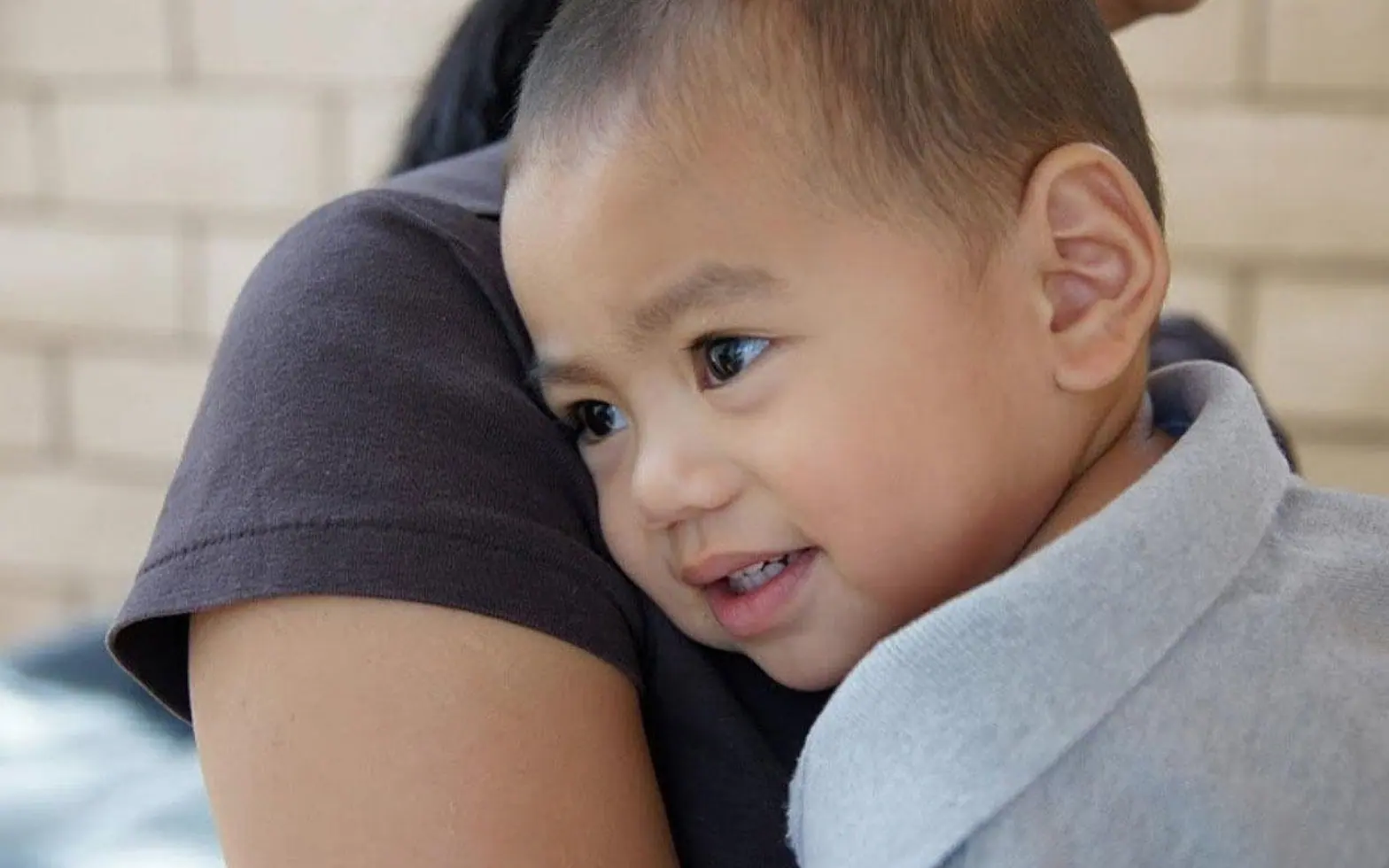
In short Three simple holds, a few minutes of gentle patting and a relaxed attitude to the burp that never comes: the basics of helping a newborn bring up wind.
To burp a newborn, hold the baby upright or tummy-down with the head and neck supported, then pat or rub the back gently for a few minutes during and after a feed. The aim is to help swallowed air escape so the baby feels comfortable and has room for the rest of the milk. Not every feed produces a burp, and that is fine.
Why babies need help with wind
Newborns swallow air as they feed, particularly when they gulp quickly, cry before a feed or have a shallow latch. Bottle-fed babies may take in more air depending on the teat and the angle of the bottle, but breastfed babies can need burping too. Trapped air can make a baby squirm, pull off the breast or bottle, or seem unsettled after eating. Burping will not prevent all fussiness, yet it is a simple way to rule out one common cause.
Three burping positions to try
| Position | How to hold the baby | Useful when |
|---|---|---|
| Over the shoulder | Hold the baby upright against your chest with the chin resting on your shoulder, one hand under the bottom and the other free to pat | You want a calm, close position, or the baby likes to be held high |
| Sitting on your lap | Sit the baby on your knee leaning slightly forward, with one hand supporting the chest and jaw, not the throat | You want to see the baby's face, or they often bring up milk |
| Tummy-down across your lap | Lay the baby across your thighs with the head a little higher than the chest and turned to one side | The other holds are not working, or the baby likes gentle pressure on the tummy |
Whichever you choose, keep the head and neck supported, and lay a muslin or burp cloth where any milk might land.
Step by step
- Settle into a comfortable seat with a cloth within reach.
- Bring the baby into one of the positions above.
- Pat the back gently with a cupped hand, or rub in slow circles, working from the lower back upwards.
- Keep going for a few minutes. Some babies burp almost at once; others take longer.
- If nothing happens, try a different hold, or carry on with the feed and try again later.
Burping a newborn after feeding and during it
Many parents pause partway through a feed as well as at the end: when switching sides, or halfway through a bottle. Babies who seem uncomfortable, pull away often or bring up a lot of milk may do better with more frequent breaks. Others feed calmly and need little burping at all. Watch your baby rather than a clock, and expect things to change as they grow; many babies need less help with wind once feeding becomes more efficient.
If a baby falls asleep at the end of a feed, a short, gentle attempt in an upright position is reasonable, but there is no need to keep a sleeping baby awake for long. When it is time to sleep, place the baby on their back in a clear cot or Moses basket, in line with safe-sleep guidance.
Spit-up, hiccups and other small worries
A little milk often comes up with a burp. In young babies this is common and usually not a concern if the baby is feeding well, gaining weight and generally content. Hiccups are also common and tend to pass on their own. Gentle burping and holding the baby upright for a short while after feeds can help with both.
When to speak to a doctor or health visitor
- Vomiting that is forceful or shoots out across the room.
- Blood in vomit or in nappies.
- Poor feeding, fewer wet nappies than usual or other signs of dehydration.
- Crying that seems to come from pain, arching during feeds or refusing to feed.
- Slow weight gain or concerns raised at a weigh-in.
Green vomit, difficulty breathing, a high temperature, or a baby who is floppy or very hard to wake needs urgent medical help. Trust your instincts: if something feels wrong, a professional opinion is always reasonable.
Common questions
What if my baby never burps?
Some babies swallow very little air, particularly when feeding calmly. If your baby is content, feeding well and not straining or squirming, a missing burp is not a problem.
Can I burp too hard?
Firm is fine, forceful is not. Gentle, steady pats or rubs are enough. Avoid bouncing or jiggling a baby straight after a large feed, as that can bring milk back up.
Fitting burps into busy days and nights
In the first weeks, feeds can feel endless, and burping adds a few minutes to each one. Sharing the job gives the feeding parent a break and gives the other parent a regular moment of closeness. If the evening is long and the baby is still unsettled after burping, our guide to soothing a crying newborn covers the next things to try, and our notes on newborn sleep deprivation look at how parents can protect their own rest. Tucking a few burp cloths into the hospital bag means you are ready from the very first feed.
House standards
Rules every entry has to pass
These checks sit on the editing desk and apply to new entries and revisions alike.
Background comes first from health services and professional bodies writing for patients.
Sellers of a product are never used as an independent voice about that product.
No dose, strength or personal target appears anywhere in the library.
Every entry shows clearly when to contact a dentist, pharmacist, midwife or doctor.
Smoking entries speak only to adults who already smoke and never call vaping harmless.
General reading only. For anything about your own health, a dentist, pharmacist, midwife or doctor is the right next step.