How to Deal With Nicotine Cravings, One Urge at a Time
- Published
- 3 minutes
- 7 steps
In short A craving can feel endless while it lasts, yet it tends to rise and then fall away. Knowing your triggers and having a few tactics ready makes each one easier to ride out.
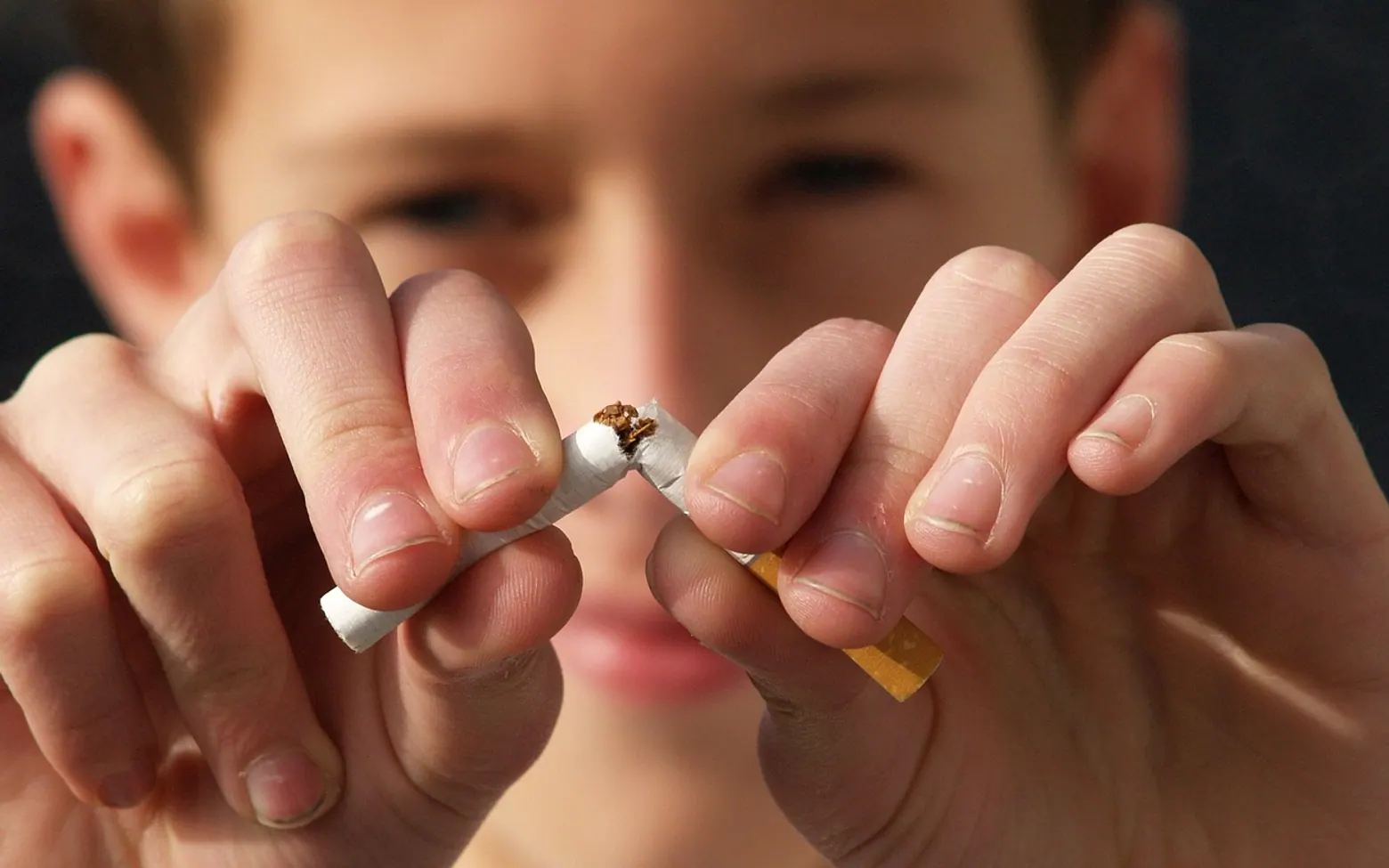
Anyone who has tried to stop smoking knows the moment: the hand reaches for a pocket, the mind starts bargaining and the thought of one cigarette becomes very loud. Cravings are among the main reasons quit attempts stall, but they are also predictable. They follow patterns, they respond to planning and they tend to ease rather than grow forever. Treating them as something to manage rather than something to fear can change how a quit attempt feels.
Two kinds of pull
It helps to separate the physical and the habitual sides of a craving. Nicotine affects the brain's reward system, and when levels fall the body notices. That can show up as restlessness, irritability, poor concentration or a strong urge to smoke. Alongside that sits habit: years of linking cigarettes to coffee, breaks, driving, phone calls or the end of a meal. Often it is the habit that strikes first, prompted by a familiar place or moment.
Know your triggers
A few days of honest notes before or just after quitting can reveal where the urges come from. Common triggers include:
- The first drink of the morning or the end of a meal.
- Stress at work, arguments or tiredness.
- Alcohol, which tends to weaken resolve.
- Being around other people who smoke.
- Boredom, waiting or long journeys.
Once a trigger has a name, you can plan for it. If the after-dinner cigarette was a ritual, getting up from the table straight away and doing the dishes or taking a short walk gives the moment a new shape.
The four Ds
Many stop-smoking advisers teach a simple set of actions for the moment a craving hits:
| Action | What it looks like |
|---|---|
| Delay | Tell yourself you will wait a little before deciding anything. The urge often softens in the meantime. |
| Distract | Change what you are doing: text a friend, tidy a drawer, step outside or play a quick game. |
| Drink water | Slow sips give the hands and mouth something to do. |
| Deep breaths | A few slow, full breaths can ease the tension that often comes with a strong urge. |
Things to keep within reach
Having substitutes ready matters, because cravings arrive at awkward times. Sugar-free gum, crunchy vegetables, a stress ball, a pen to fidget with or a small notebook can fill the gap where a cigarette used to be. Some people keep a list on their phone of the reasons they are quitting and read it whenever an urge builds. Others save the money they would have spent and watch the amount grow.
Support that can take the edge off
Willpower alone is a hard route. Licensed stop-smoking medicines and nicotine replacement products such as patches, gum or lozenges are designed to ease withdrawal, and combining them with behavioural support from a stop-smoking service tends to work better than going it alone. A pharmacist or GP can explain which options suit you, how they fit together and what to watch out for, particularly if you are pregnant, take regular medicines or have a heart or lung condition. Product strengths and how to use them are best decided with that professional rather than guessed.
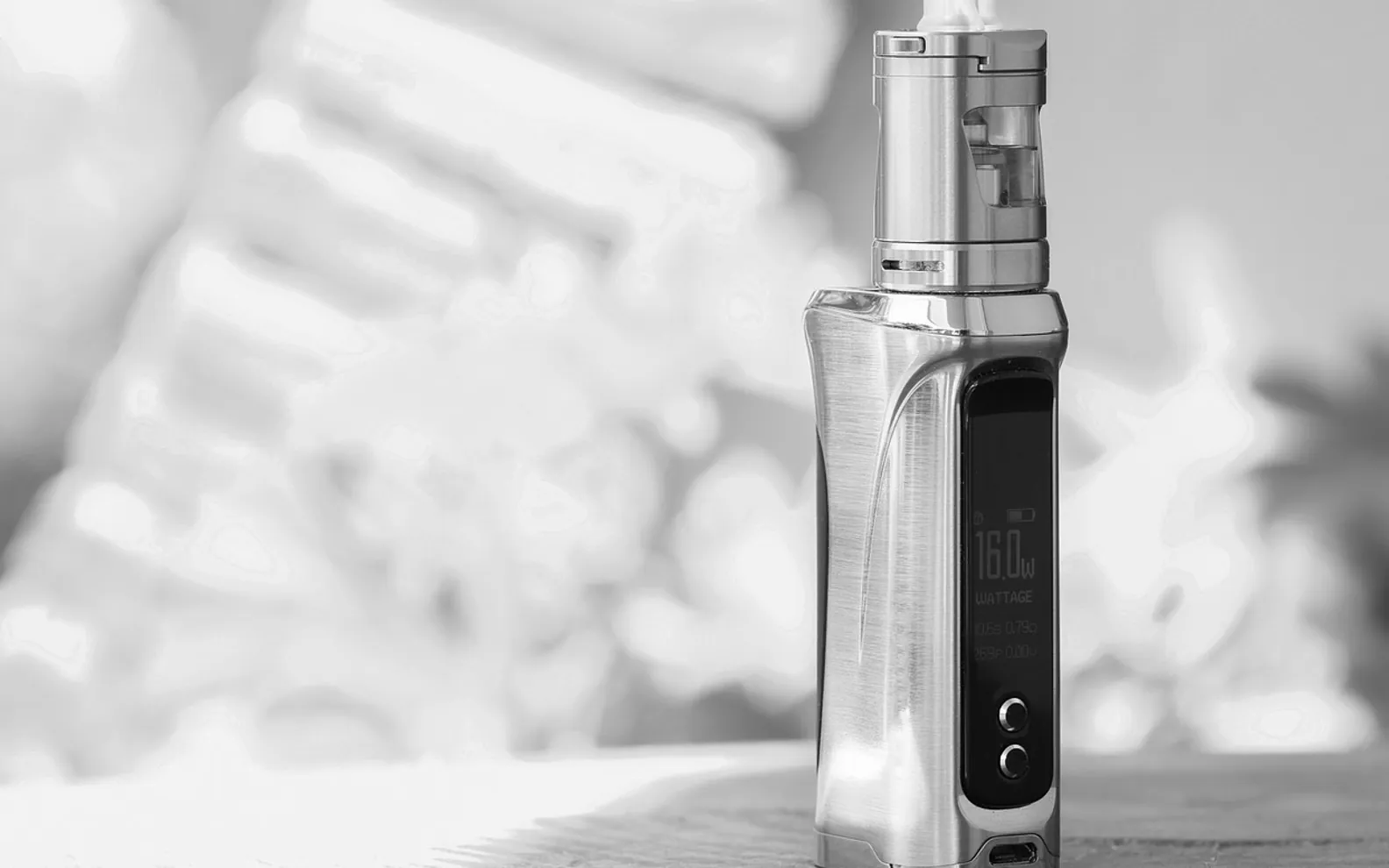
Some adult smokers use a vape as a step away from cigarettes. Vaping is not risk-free, is not for people who do not smoke and works best, if at all, as a full replacement rather than an extra. Our article on reusable vapes and cutting down on cigarettes covers that subject with the same caution.
If you slip
A single cigarette after days or weeks without one does not wipe out the progress you have made. Treat it as information rather than failure. What was the trigger? What might you do differently next time? Then return to the plan as soon as you can, ideally the same day. Many people who end up stopping for good needed more than one attempt to get there.
When to ask for more help
Low mood, anxiety or poor sleep can occur while quitting. If these feel severe, last longer than you expected or worry you, talk to a GP. The same applies if you have a mental health condition or take medicines whose effects might change once you stop smoking, as doses of some medicines may need reviewing. For people around you who want to help, our guide on supporting someone who is quitting offers ideas that do not involve lectures.
House standards
Rules every entry has to pass
These checks sit on the editing desk and apply to new entries and revisions alike.
Background comes first from health services and professional bodies writing for patients.
Sellers of a product are never used as an independent voice about that product.
No dose, strength or personal target appears anywhere in the library.
Every entry shows clearly when to contact a dentist, pharmacist, midwife or doctor.
Smoking entries speak only to adults who already smoke and never call vaping harmless.
Your smoke-free tally
Enter the day you stopped and what you used to buy. The tally counts the days and the money that stayed in your pocket, and keeps ticking while this page is open.
- Smoke-free for
- –
- Cigarettes not bought
- –
- Money kept so far
- –
Simple arithmetic from the figures you type, nothing more; prices change and real spending varies. Your entries stay in this browser only. For support with stopping, a pharmacist, GP or local stop-smoking service can help.
General reading only. For anything about your own health, a dentist, pharmacist, midwife or doctor is the right next step.